Doubts Grow as Library Board Reconsiders Third on the Square
The April meeting of the Brown County Library Board made one thing clear. The “Third on the Square” project is no longer moving forward with quiet confidence.
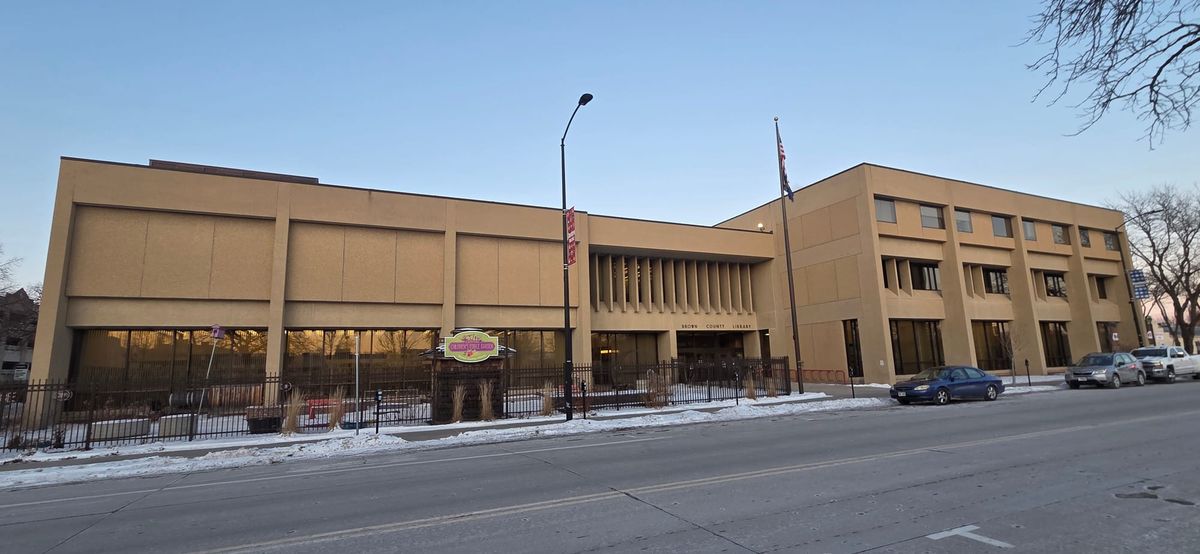
The April meeting of the Brown County Library Board made one thing clear. The “Third on the Square” project is no longer moving forward with quiet confidence. What was once framed as a promising partnership is now being met with more questions, more hesitation, and at times, visible frustration from the board.
A Project Moving Forward, With Hesitation
The board revisited the idea of obtaining a second opinion on the project’s cost. Members acknowledged that additional estimates could provide greater confidence given the scale of the investment, expected to exceed $20 million.
At the same time, there was reluctance to spend more money without first determining whether the project itself is ready to proceed. One contractor had offered to provide a free estimate, but board members questioned whether it would be as thorough or reliable as a paid analysis.
Ultimately, the board chose not to pursue a second estimate at this time. The project remains active, but uncertain.
Parking Raises Practical Questions
Parking also surfaced as a notable point of discussion. In response to concerns about staff parking at Central, Board President Jayme Sellen suggested that employees who prefer not to pay could park farther away, outside of metered or time-restricted areas, and walk to the library. Central is currently the only Brown County Library location where staff are required to have to pay for parking, which places the suggestion in a broader context.
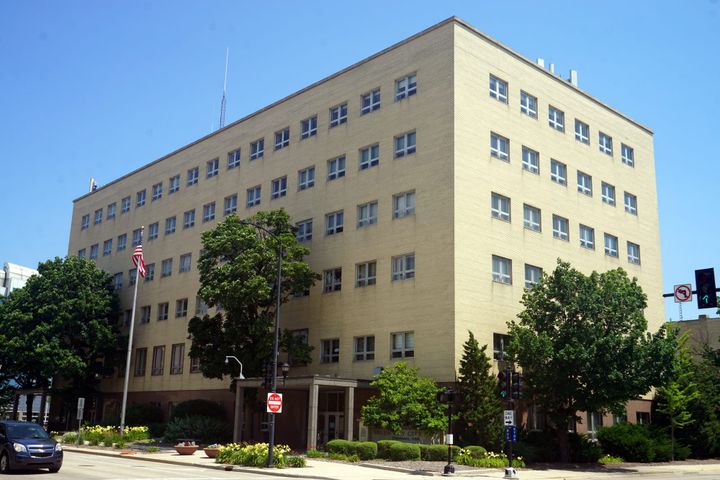
As plans move forward involving the Bank Mutual site as a potential parking solution, the conversation highlighted how operational details like parking remain unresolved and closely tied to broader questions about the project’s feasibility.
Growing Questions About the Partnership
Beyond logistics, board members raised broader concerns about the proposed partnership with ADRC.
Discussion touched on the complexity of integrating services, the long-term financial implications, and whether all components of the plan align with the library’s core mission. One member, John Van Dyke, focused on whether the proposed ADRC restaurant would generate revenue, even though the space is intended as a programmatic service rather than a profit-generating operation.
The tone of the conversation reflected differing perspectives, not only on cost, but on purpose.
A Sense of Friction
At times, the discuss45vc3w6w6vion showed fatigue with the process itself. After roughly two years of planning, some members noted that new challenges continue to emerge, while others expressed frustration with the pace and direction of progress.
There was also concern that continued delays could affect the project's long-term momentum or support.
Rethinking Central Library’s Role
Underlying much of the conversation was a more fundamental question. What should the Central Library be in the future?
As new and renovated branches expand in communities like Denmark and Pulaski, several members pointed to the need for a clearer strategic vision for Central. Without that clarity, it becomes difficult to evaluate whether a major redevelopment project and a partnership of this scale is the right path forward.
Progress Elsewhere in the System
While uncertainty surrounds the Central project, other parts of the system continue to move ahead.
- The Ashwaubenon branch remains on track for construction completion at the end of May, with a grand opening planned for July
- The Denmark branch is nearing completion and continues to take shape
- At Central, recent storms caused water damage in the lower level, including the auditorium, with the source of the issue still under investigation
Where Things Stand
No formal decisions were made regarding Third on the Square, but the meeting's tone suggests a shift. What was once framed as an ambitious opportunity is now being examined more carefully, financially, operationally, and strategically.
For now, the board appears to be at a crossroads. Continue refining the current plan, or step back and reassess what Central Library should be before moving forward. The questions are no longer hypothetical. They are shaping what happens next.
Written by